
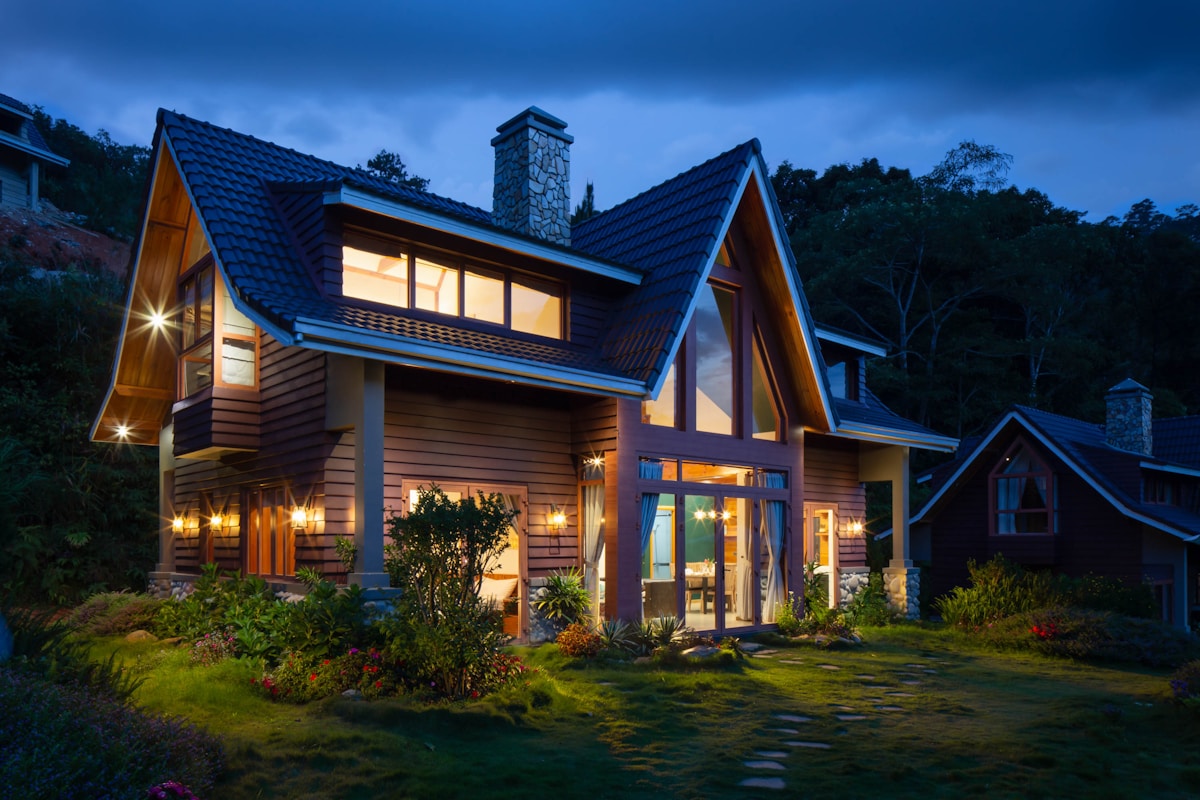
While Belle Meade and Oak Hill grab the luxury headlines, a quieter story has been unfolding in Crieve Hall—and the numbers are hard to ignore. This south Nashville neighborhood has posted some of the strongest appreciation rates in Davidson County over the past five years, and the trajectory shows no signs of slowing down.
The Numbers: What’s Actually Happening
Crieve Hall’s median home price has climbed from approximately $350,000 in 2020 to roughly $675,000 in 2026—a 93% increase in six years. For comparison, Davidson County as a whole appreciated roughly 38% over the same period. That gap represents real wealth creation for homeowners who bought early in the cycle.
More telling than the median: Crieve Hall’s price ceiling has risen dramatically. Homes that would have topped out at $450K five years ago are now closing above $700K after quality renovations. The neighborhood is crossing into territory that starts to overlap with established luxury markets, at a fraction of the per-square-foot cost.
Why Crieve Hall, Why Now
Location Arbitrage
Crieve Hall sits just south of Berry Hill and minutes from the 8th Avenue corridor, Green Hills, and downtown Nashville. As Nashville’s urban core has pushed south, Crieve Hall has gone from “a nice neighborhood near the airport” to “10 minutes from everything without paying Green Hills prices.” That repositioning is the primary driver of appreciation.
The Housing Stock Sweet Spot
Crieve Hall’s homes were primarily built between the 1950s and 1970s—solid brick ranch and split-level construction on generous lots (typically 0.25–0.5 acres). This era of construction used materials and techniques that hold up beautifully with updating: hardwood floors under carpet, solid bone structure, and lot sizes that modern Nashville development can’t match.
For buyers, this means you can purchase a well-built home on a large lot, invest $80K–$150K in a thoughtful renovation, and end up with a property that competes with new construction at a total cost well below replacement value. That math works for both primary residents and investors.
The Buyer Profile Is Shifting
Five years ago, Crieve Hall attracted mostly first-time buyers and young families. Today, the buyer profile has broadened significantly:
- Move-down buyers from Green Hills and Brentwood who want to cash out equity while staying in a quality neighborhood
- Remote workers who don’t need to be near a specific office and value the space and quiet over proximity to downtown
- Music industry professionals who need to be near Music Row and the studios but don’t want East Nashville density
- Investors who see the appreciation trend and are buying ahead of the next price band
What Makes Crieve Hall Different From Other Appreciating Neighborhoods
Nashville has several neighborhoods experiencing rapid appreciation—East Nashville, The Nations, Sylvan Park. What separates Crieve Hall is its combination of growth potential and livability floor:
No Gentrification Friction
Unlike neighborhoods where rapid appreciation creates visible tension between longtime residents and newcomers, Crieve Hall’s transition has been remarkably smooth. The neighborhood was solidly middle-class to begin with, homeownership rates were already high, and the incoming buyers are renovating—not demolishing and rebuilding. The character of the neighborhood is being enhanced, not replaced.
Infrastructure Already Exists
Crieve Hall doesn’t need the new restaurants, coffee shops, and services that up-and-coming neighborhoods wait years for. Nolensville Pike’s international food corridor is one of Nashville’s best-kept dining secrets. Radnor Lake State Park provides world-class green space. The Publix-anchored retail at the neighborhood’s edge handles everyday needs. The infrastructure caught up before the prices did.
The School Factor
Crieve Hall Elementary and John Overton High School have both benefited from increased investment and enrollment quality as the neighborhood’s demographics shift. For families who plan to use private schools, the proximity to CPA, Franklin Road Academy, and the Harding Pike private school corridor keeps options open without the Belle Meade price tag.
For Current Crieve Hall Homeowners: What This Means
If you’ve owned in Crieve Hall for 5+ years, you’re sitting on significant equity gains. The question is what to do with that position:
Sell Now and Trade Up
Your Crieve Hall equity could fund a down payment on a home in Oak Hill or Brentwood that was out of reach when you bought. The spring 2026 market is particularly strong for this move.
Renovate and Stay
If you love the neighborhood, a strategic renovation can push your home’s value into the $600K–$800K range—especially kitchens, primary suites, and outdoor living spaces. With proper staging, renovated Crieve Hall homes are commanding prices that surprise even longtime residents.
Hold as Investment
Crieve Hall’s appreciation curve hasn’t flattened yet. The neighborhood is still undervalued relative to its location advantages, and the continued southward expansion of Nashville’s core will only compress that gap further.
The Bottom Line
Crieve Hall isn’t a gamble anymore—the data is clear and the trend is established. For sellers, the window to capture maximum appreciation is open now. For buyers, it’s the best remaining opportunity to buy into a Nashville neighborhood that hasn’t yet reached its pricing ceiling. And for current homeowners, understanding your home’s true market value—not the Zillow estimate, but a genuine analysis based on recent comparable sales—is the first step in making the most of what this market is offering.
Explore Nashville’s Premier Neighborhoods
- Belle Meade Real Estate: What Your Home Is Worth in 2026
- Oak Hill Nashville: The Quiet Luxury Market Insiders Know
- Brentwood TN Luxury Homes: 2026 Seller’s Market Guide
- Crieve Hall: South Nashville’s Best-Kept Secret for Smart Sellers
Contact Third Coast Real Estate for a confidential assessment of your Crieve Hall home’s current market value.



Join The Discussion