
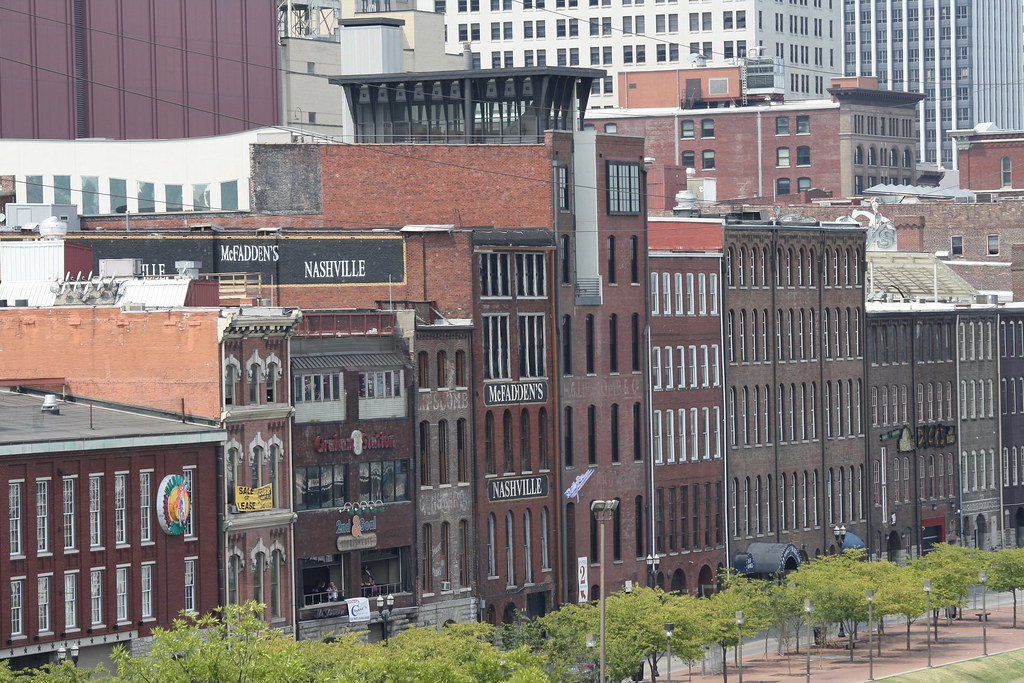
Nashville’s commercial real estate market has matured dramatically over the past decade, evolving from a secondary market into a primary destination for national and institutional investment capital. While downtown Nashville and suburban office parks remain important, the most dynamic opportunities have shifted to emerging corridors experiencing demographic growth, infrastructure investment, and zoning evolution. Understanding where these opportunities lie—and why—is essential for investors, developers, and business owners seeking to position themselves at the forefront of Nashville’s continued expansion.
The Shift Away from Traditional Central Business Districts
Historically, commercial real estate investment in Nashville concentrated in downtown and established suburban office parks. However, demographic patterns, remote work adoption, and changing tenant preferences have reshaped where capital flows most productively. Younger companies, particularly in tech and creative industries, increasingly choose neighborhoods over traditional office parks. Retail has fundamentally transformed, with ground-floor activation and mixed-use dominance replacing isolated strip centers. These shifts have created opportunities in neighborhoods once considered peripheral to Nashville’s commercial landscape.
WeHo (Wedgewood-Houston): The Ascendant Corridor
Wedgewood-Houston, increasingly known as WeHo, represents Nashville’s most compelling emerging commercial corridor. Located south of downtown between Charlotte Pike and I-440, this area combines industrial authenticity, emerging cultural institutions, and strategic geographic positioning that attracts venture capital, design firms, and forward-thinking operators.
Market characteristics: Commercial lease rates in WeHo currently range from $12-$18 per square foot annually for creative office space, significantly below downtown’s $25-$35 range while commanding a premium over suburban alternatives at $10-$14. The neighborhood has attracted major institutional interest, with several development projects combining residential, creative office, and retail space.
What’s driving growth: The area benefits from authentic cultural institutions—galleries, music venues, artist studios—combined with improving walkability and food and beverage destinations. Zoning changes have enabled mixed-use development, allowing creative office to coexist with residential and retail. Proximity to downtown without downtown costs makes this corridor attractive to growing companies and established firms seeking satellite locations.
Investment angle: Investors should monitor adaptive reuse projects converting industrial warehouses into creative office and loft apartments. Cap rates for stabilized commercial projects in WeHo currently approximate 6-7%, compared to 5.5-6.5% downtown, reflecting slightly higher risk and lower institutional anchor tenancy, but also stronger upside potential.
Charlotte Pike Corridor: Retail and Restaurant Opportunity
Charlotte Pike, stretching from downtown westbound through Sylvan Park and Forest Hills, has evolved into Nashville’s restaurant destination while maintaining significant retail and office potential. What was historically a secondary retail corridor is now a destination for culinary entrepreneurs and dining-focused development.
Market characteristics: Retail and restaurant space on Charlotte Pike leases for $18-$28 per square foot annually, reflecting strong foot traffic and destination status. Successful restaurant concepts command premium rates, often exceeding $25/sf. Office space in developing sections averages $12-$16/sf, positioning Charlotte Pike as attractive for service-sector professionals and small-to-mid-market companies.
What’s driving growth: The residential renaissance in Sylvan Park, Forest Hills, and Forest Park neighborhoods has created walkable demand for dining, retail, and services. The corridor’s character—authentic, non-corporate, neighborhood-focused—attracts independent retailers and restaurateurs. Increasingly, institutional investors and restaurant groups are acquiring land and buildings specifically to develop the Charlotte Pike experience.
Investment angle: The most productive approach involves ground-floor retail activation with residential or office above—the classic mixed-use model that municipalities increasingly favor. Single-purpose retail faces headwinds, but restaurant/retail with residential density above performs well. Cap rates for these mixed-use projects range from 5.5-6.5% depending on stabilization and anchor tenant profile.
Dickerson Pike and Northeast Corridor: Industrial and Logistics
While less trendy than WeHo or Charlotte Pike, Dickerson Pike and the broader northeast corridor represent one of Nashville’s strongest logistics and industrial opportunities. This area, stretching from Ellington Agricultural Center northbound, combines highway access, industrial zoning, and available land at costs significantly below downtown or established corridors.
Market characteristics: Industrial and logistics space in the Dickerson Pike corridor commands $6-$9 per square foot annually for modern facilities, with built-to-suit premium potentially reaching $10-$12. The area has attracted significant distribution, manufacturing, and logistics operators, including several major national companies seeking regional hub locations.
What’s driving growth: I-40 and I-65 intersection proximity, combined with available developable land and labor pool, makes this corridor attractive for companies seeking distribution hub status. Unlike coastal logistics hubs facing capacity constraints, Nashville still offers space and growth potential. Tennessee’s no-income-tax environment is particularly attractive to corporate headquarters considering logistics-adjacent functions.
Investment angle: Ground-lease or triple-net industrial developments in this corridor offer attractive stabilized returns (6-7% cap rates) with significant upside as the Nashville region continues absorbing national logistics investment. Investors should focus on buildings designed for modern logistics standards—clear heights, dock configuration, parking—rather than legacy industrial.
Nolensville Pike: Immigrant Entrepreneurship and Authentic Commerce
Nolensville Pike, stretching south from downtown through immigrant communities, represents one of Nashville’s most authentic commercial corridors. Dominated by family-owned retail, restaurants, and service businesses reflecting the area’s diverse population, this corridor combines cultural authenticity with genuine commercial viability.
Market characteristics: Retail and restaurant space averages $10-$16 per square foot annually, with rates varying significantly based on segment and tenant profile. Unlike touristy commercial corridors, Nolensville Pike spaces rent to actual neighborhood businesses at rates reflecting community economics rather than speculative development premiums.
What’s driving growth: Nashville’s demographic diversity is real and growing. The immigrant communities along Nolensville Pike represent genuine economic generators and entrepreneurial engines. Demographic projections suggest continued growth in immigrant and Latino populations, strengthening demand for services, retail, and commercial space serving these communities.
Investment angle: The most successful approach involves patient capital and community connection. Investors comfortable working with immigrant business owners, navigating multilingual operations, and accepting lower turnover can access cap rates of 6.5-7.5% with strong demand and genuine tenant loyalty. However, this isn’t speculative development territory—it’s stable, neighborhood-oriented business.
Murfreesboro Road Corridor: Suburban Commercial Maturation
Murfreesboro Road, extending from East Nashville southeastward through suburban Nashville, represents mature suburban commercial opportunity. Unlike emerging trendy neighborhoods, this corridor offers established infrastructure, proven demand, and lower speculative risk.
Market characteristics: Office space averages $12-$15/sf, retail averages $14-$18/sf, and restaurant space commands $16-$22/sf. These rates reflect suburban positioning—not as expensive as downtown or WeHo, but higher than secondary corridors reflecting established market positioning and traffic volumes.
What’s driving growth: The residential expansion of East Nashville and its suburbs creates consistent demand for professional services, retail, and dining. The corridor benefits from mature infrastructure, established traffic patterns, and straightforward zoning, making development predictable and lower-risk.
Investment angle: Murfreesboro Road offers institutional-quality deals with lower volatility than emerging corridors. Cap rates range from 5.5-6.5% for stabilized properties, but appreciation upside is more modest. This corridor suits investors seeking steady performance over speculative growth.
Mixed-Use Development: The Dominant Trend
Across all emerging corridors, mixed-use development combining retail/office/restaurants with residential units above has become the institutional development standard. This approach addresses retail challenges—ground-floor activation with stable residential anchors above—while maximizing land utilization and creating the pedestrian density that modern retailers and restaurants increasingly require.
Projects combining ground-floor commercial (retail, restaurant, office) with 50-150 residential units above have become the template Nashville municipalities prefer. These projects, when properly executed, command residential cap rates of 4-5% for multifamily components and 6-7% for commercial components, with upside from both rental growth and land appreciation.
Market-Wide Trends: What Institutional Investors Are Watching
Several macro trends shape Nashville commercial opportunity across all corridors:
Transit-oriented development: Though Nashville’s transit network remains limited, BRT (bus rapid transit) expansion along Charlotte Pike and corridors elsewhere is driving institutional investment focus on transit-accessible locations. Developers increasingly pay premiums for properties within a quarter-mile of planned or existing transit.
Adaptive reuse: Historic buildings, warehouses, and industrial properties are increasingly viable as office, retail, or residential conversions. Nashville’s authentic character and building stock make adaptive reuse particularly productive, with developers accessing historic tax credits enhancing project returns.
Tenant consolidation: Post-pandemic, many companies have consolidated office space or shifted to fully remote models. Demand for office space has moderated from COVID-era peaks, but demand remains for specialized, high-quality office serving in-person collaboration and client-facing functions.
Restaurant maturation: Nashville’s restaurant scene has evolved from trend-driven toward genuine establishment, attracting national groups and experienced operators alongside locals. This professionalization creates more stable commercial demand but with higher competitive intensity.
Practical Investment Considerations
For investors evaluating Nashville’s emerging commercial corridors, several factors determine success:
Tenant quality and lease terms: Properties with strong, creditworthy tenants on long-term leases (5+ years) command premiums and perform more predictably. Properties dependent on tenant-at-will situations or short leases carry higher risk despite potentially higher stated cap rates.
Ground-floor activation: Corridors with authentic, locally-focused retail and restaurant tenants outperform those dependent on national chains or vacant ground-floor space. The most successful mixed-use developments prioritize authentic ground-floor commerce.
Zoning and regulatory environment: Nashville’s zoning has evolved toward allowing and encouraging mixed-use development, but regulatory timelines for approvals vary significantly. Properties already zoned appropriately for development command premiums reflecting regulatory certainty.
Local expertise: Commercial Nashville remains localized enough that knowledge of neighborhood dynamics, relationship access to developers and brokers, and understanding of municipal processes provide genuine advantages.
Conclusion
Nashville’s commercial real estate landscape has matured beyond downtown and suburban office parks into diverse, dynamic emerging corridors offering distinct opportunities. WeHo offers creative economy positioning and cultural authenticity. Charlotte Pike provides retail and dining destination status. The northeast corridor delivers logistics infrastructure. Nolensville Pike offers community-rooted commerce. Murfreesboro Road delivers suburban stability.
For investors, developers, and business operators, success requires moving beyond generalized “Nashville growth” narratives toward corridor-specific understanding. The emerging corridors reshaping Nashville’s commercial landscape represent genuine opportunity for capital deployed with knowledge, patience, and connection to local expertise.
Looking to identify commercial opportunities in Nashville’s most dynamic corridors? Third Coast Real Estate’s commercial specialists combine investment experience, neighborhood expertise, and developer relationships to connect capital with opportunity. Contact us at 615-249-8076 to discuss your commercial investment strategy in Nashville.



Join The Discussion